Ines Baumann · 1 September 2026
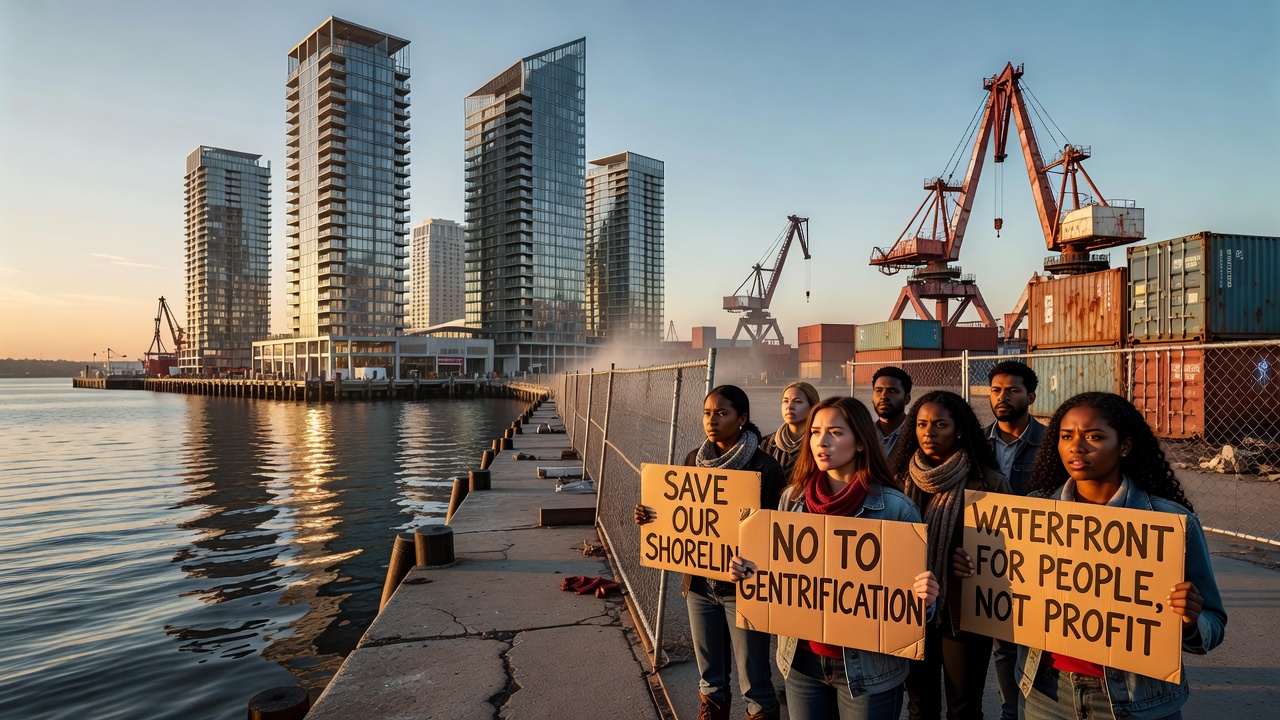
The Orcana City Council voted 7-2 Tuesday evening to approve a comprehensive waterfront redevelopment plan, moving forward with a project estimated at $245 million despite significant pushback from neighborhood associations and environmental groups. The decision follows six months of public hearings and comes as the city seeks to revitalize underused industrial zones along the Orcana River.
Project Scope and Expected Outcomes
The approved plan calls for construction of 1,200 mixed-income housing units, 85,000 square feet of retail and office space, a new public pier, and 12 acres of restored shoreline parkland. City planners project the development will generate 2,800 construction jobs over five years and add $18 million annually in property tax revenue once complete. Infrastructure upgrades include expanded sewer capacity, new bike lanes, and flood barriers designed to withstand 100-year storm events. Officials emphasized that 30 percent of residential units will be reserved for households earning below 80 percent of area median income. Environmental consultants retained by the city reported that remediation of legacy industrial contaminants will precede any new construction, with ongoing monitoring required for the first decade of operation.
Funding combines municipal bonds, state grants, and private investment from the lead developer, Harborfront Partners. The timeline anticipates groundbreaking in spring 2025 with initial residential occupancy targeted for late 2027. Council members cited improved public access to the water and long-term economic resilience as primary justifications for approval.
Resident Objections and Mitigation Measures
Opponents argued the project would increase traffic congestion on already strained arterial roads, reduce wildlife habitat, and accelerate gentrification in adjacent historic districts. A petition circulated by the Riverside Residents Coalition gathered more than 4,200 signatures requesting additional traffic studies and a reduction in building heights. During the meeting, several speakers expressed frustration that earlier recommendations from an independent review panel were not fully incorporated into the final design. In response, the council added conditions requiring a new traffic impact analysis within 90 days and commitments to fund shuttle services connecting the site to existing transit hubs. The developer also agreed to maintain a 150-foot vegetated buffer along the riverbank and to contribute $4.2 million toward off-site affordable housing preservation. Mayor Elena Vargas stated the project balances growth with community safeguards, though she acknowledged ongoing concerns will require continued oversight during implementation.